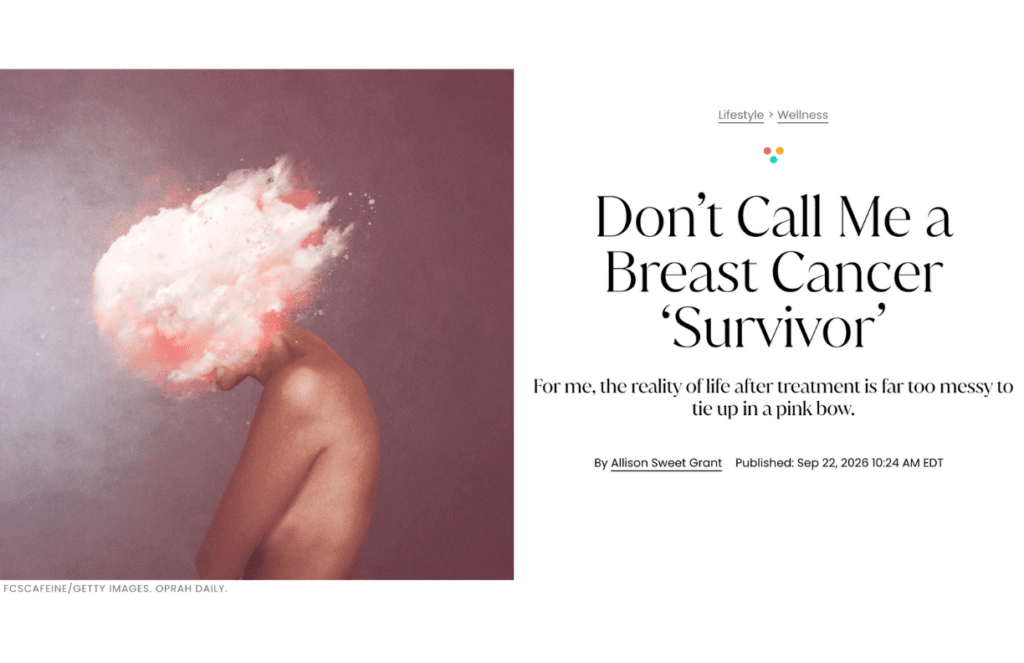

A recent article in The Independent describes what many people affected by cancer know all too well: emotional support often becomes hardest to find when treatment ends. After cancer treatment has concluded, individuals describe reaching a “cancer cliff,” where the appointments slow down, family and friends may assume life has returned to normal, yet the emotional impact of everything they’ve experienced begins to catch up with them.
At Red Door Community, we know that these feelings are real. We also know they aren’t limited to the end of treatment.
From the moment of diagnosis, people affected by cancer face challenges that extend far beyond their medical care. They navigate uncertainty, make difficult decisions, cope with changes in their relationships and daily routines, and adjust to a life that may feel very different than before. Caregivers, family members, and friends are also living with the emotional impact of cancer as they support someone they love.
These experiences don’t pause during treatment, and they don’t disappear when treatment ends. They simply change.
For some, completing treatment brings relief and celebration. For others, it can bring unexpected anxiety, fear of recurrence, lingering side effects, or questions about what life looks like moving forward. Those living with metastatic disease or recurrent cancer face a different set of ongoing challenges. Whatever the circumstance, every person’s experience is unique, and every experience deserves compassionate support.
That’s why psychosocial care is an essential part of comprehensive cancer care. Research continues to show that meaningful social connections and emotional support can reduce feelings of isolation, strengthen coping skills, and improve quality of life for people affected by cancer.
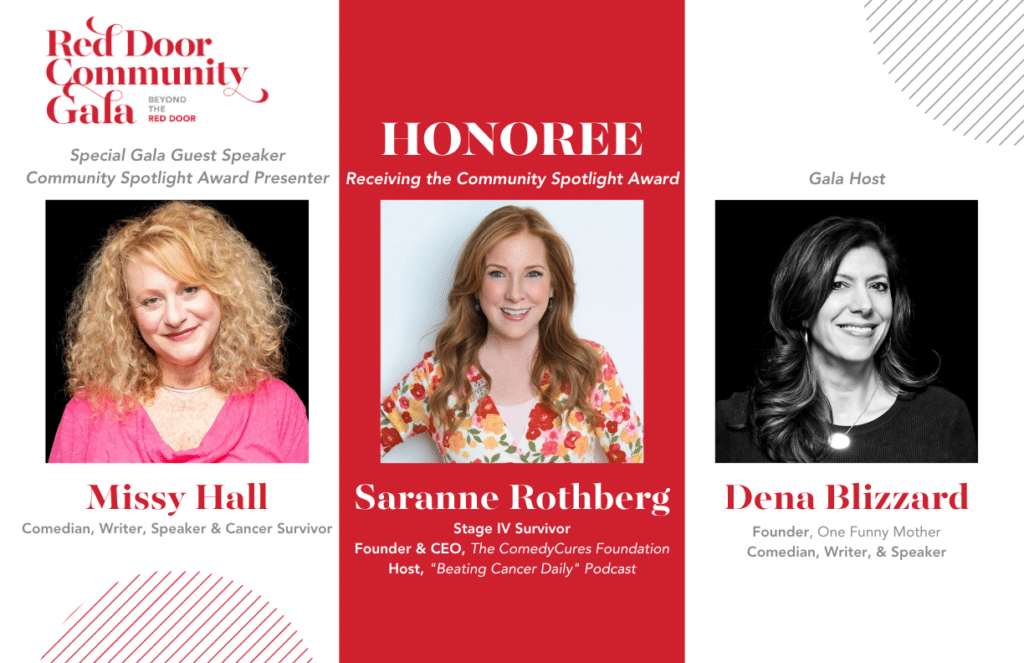
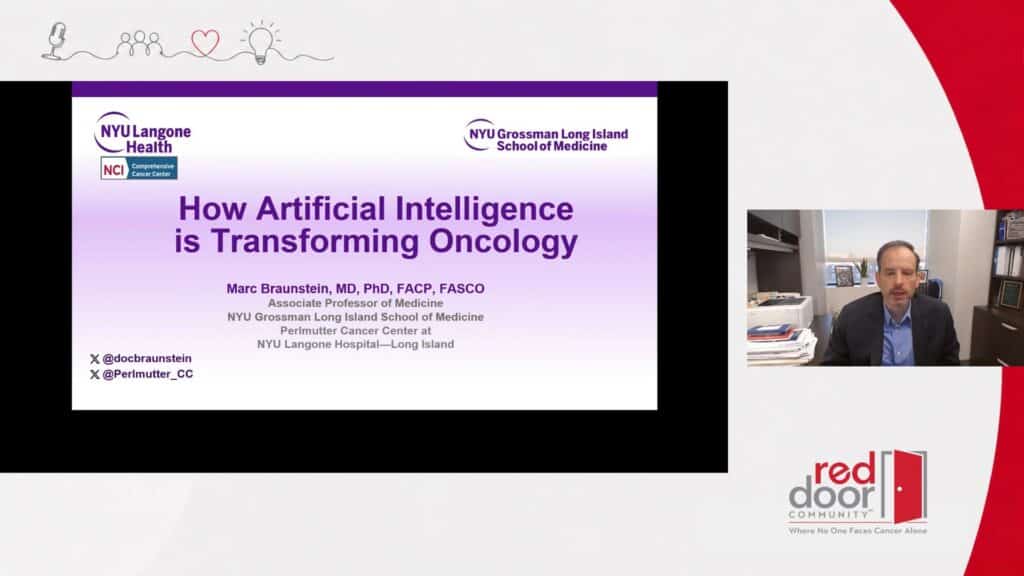
At Red Door Community, we provide a free welcoming community where people can connect with others who truly understand. Through professionally facilitated support groups, educational expert speakers, wellness workshops, and social activities, participants find a place to share their experiences, ask questions, and discover they are not alone.
Cancer affects more than the person diagnosed. It touches caregivers, partners, children, parents, siblings, friends, and those grieving the loss of a loved one. Supporting the whole family is part of supporting the whole person.
Whether someone is newly diagnosed, in active treatment, living with metastatic disease, navigating survivorship, or grieving a loss, the need for connection doesn’t end. At Red Door Community, we believe that everyone impacted by cancer deserves a place to be heard, understood, and supported. Because no one should face cancer alone.