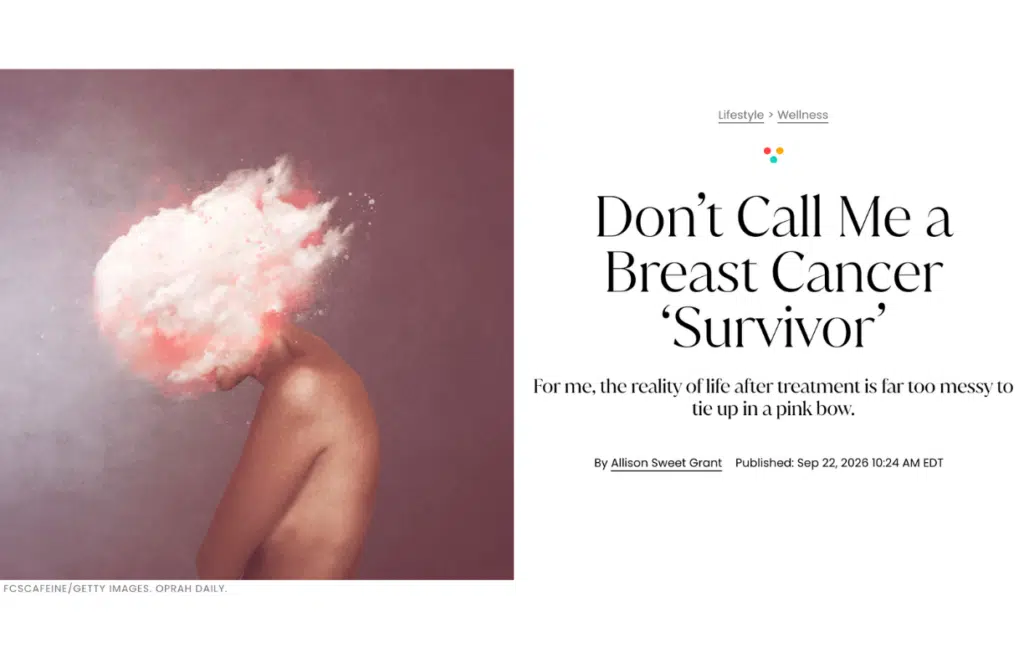
“Survivorship” is a word we hear often in the cancer community. It appears in support programs, research, advocacy, and conversations about life after treatment. To many, it implies that a person has overcome cancer.
But what does it mean to the person living it?
Writer Allison Sweet Grant describes survivorship as an ill-defined term that can sometimes feel as though it has been thrust upon people with cancer carrying with it an expectation that surviving should somehow be synonymous with happiness, gratitude, or triumph. She writes, “Please don’t assume I’m blissful about what I’m left to live with just because I’m not actively dying. Cancer, I’ve learned doesn’t work that way.”
Her words capture an important reality: being alive after cancer does not necessarily mean feeling whole, healed, or even grateful for the experience.
At Red Door Community, we have seen how differently people relate to this word. For some, “survivorship” represents strength, identity, connection, or reaching a milestone. For others, it may feel limiting, presumptive, or disconnected from their reality. Some embrace the term, some reject it, and others may feel differently about it over time. And there are many who fall somewhere in between.
There is no single way to experience life after cancer.
During treatment, there are often visible signs of what someone is experiencing; hair loss, time away from work, missed social events, and endless medical appointments. Once treatment ends, however, the experience can become less visible on the exterior. The end of treatment does not necessarily mean the end of fear, grief, uncertainty, or physical and emotional challenges. For some, it is when the emotional impact of diagnosis and treatment begins to fully surface. People may look more like themselves, while continuing to navigate lasting side effects, medical appointments, changing identities, and uncertainty about the future.
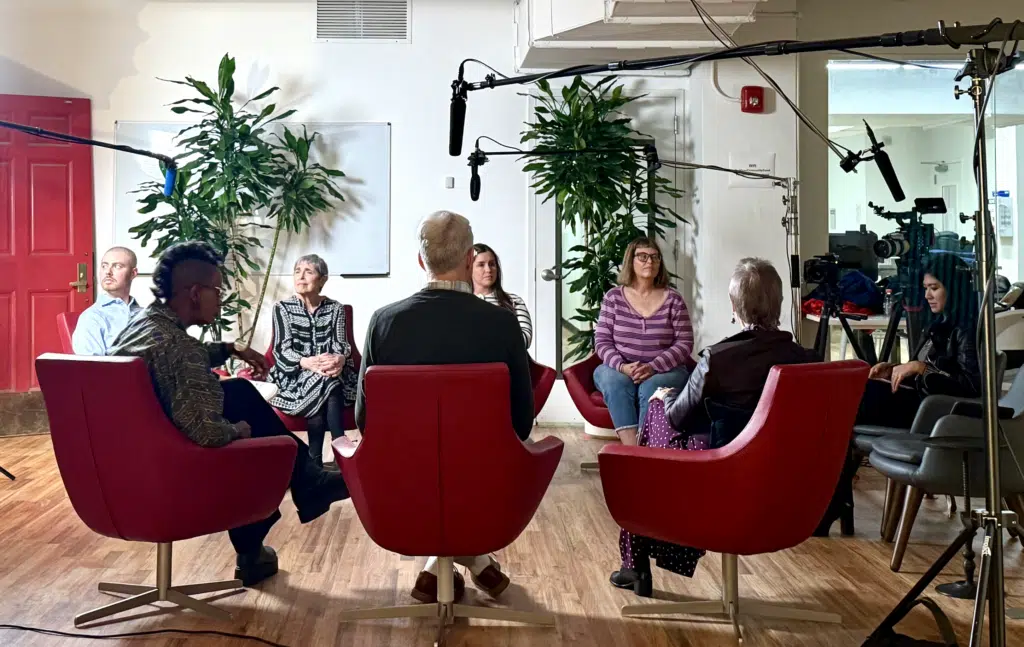
Survivorship can be a deeply personal, and sometimes isolating, part of the cancer experience. Friends, family members, and colleagues may not understand what life after treatment feels like. Connecting with others who have shared experiences can offer understanding and validation. At Red Door Community, we believe there is value in having a place where people can speak openly about the complexities of life after cancer and find support from others who understand.
Joy can exist alongside anger. Gratitude can coexist with loss. Hope can exist alongside fear. Moving forward does not mean leaving the past behind.
We believe people affected by cancer should have the freedom to define their own experiences and decide whether the language of survivorship feels meaningful to them.
Perhaps we can think of survivorship not as a designation or expectation, but as an invitation to ask: What does life look like for me now? What do I need? What matters to me? How do I want to move forward?
We honor those who embrace the term survivorship, but also those who question it, reject it, and anyone who is still figuring it out.